
More than 16 million American adults suffer from chronic back pain. For those dealing with mild to moderate pain, this is not only uncomfortable—it can make daily activities harder and disrupt routines, even if it doesn’t completely stop them from living life as they’d like.
Luckily, there are ways to ease the pain and help prevent acute back pain from returning, including simple self-care. Let’s explore some practical tips for managing mild to moderate back pain in this blog to help restore your quality of life.
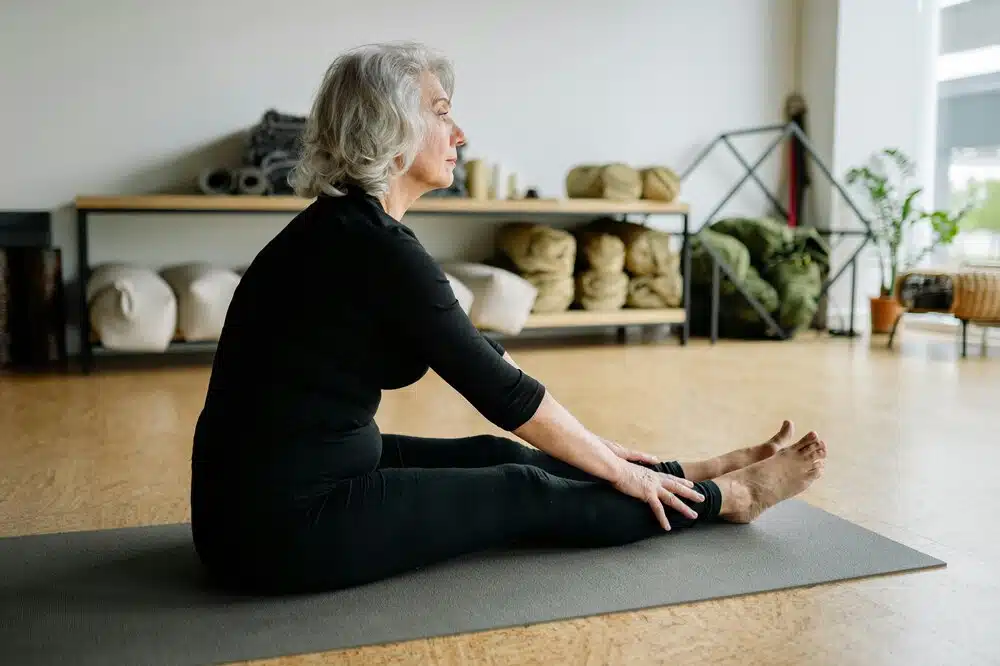
If you’ve ever wondered whether self-care really helps with back pain, the answer is yes—especially for mild to moderate cases.
Taking care of your back through daily routines can help prevent chronic pain flare-ups and relieve existing discomfort. Simple changes, like correcting poor posture habits and making ergonomic adjustments, can ease muscle strain and tension over time.
These self-care steps strengthen your spinal support and protect your back from unnecessary stress.
Back pain may stem from various causes, and knowing what caused yours can guide you toward more effective relief.
Some of these causes include:
Consistent self-care at home, such as stretching, maintaining a healthy weight, and getting supportive treatments like chiropractic care, can help you avoid these common triggers. In the next section, we’ll look at practical steps you can build into your routine.
Medication isn’t the only option for relief. Self-care practices can also provide meaningful back pain relief at home. From relaxation techniques to ergonomic support, here are meaningful strategies to help ease mild to moderate discomfort.

Stretching helps loosen tight muscles and tissues along your spine. It reduces stiffness and improves blood flow to the affected area, allowing you to bend and twist freely. This practice might seem simple, but it’s a reliable way to provide pain relief for back pain.
For example, a knee-to-chest stretch is excellent for relieving tension in the lower back: lie on your back with knees bent, then gently pull one knee toward your chest while keeping your lower back flat.
There are countless other stretches that target different areas of your back and body, and learning a few can help you find more lasting relief.
Applying heat or cold to painful areas along your back is a simple, effective way to alleviate discomfort. That said, these temperatures address different back problems, so keep these pointers in mind:
For heat therapy, there are many at home options safe for personal use heat packs. Warm showers also help soothe muscle discomfort. For cold therapy, use a reusable ice pack or even a bag of frozen vegetables wrapped in a towel.
In either case, place the compress on the painful part of your back for 15 to 20 minutes.
Poor posture is a common contributor to back pain because it disrupts your spine’s natural alignment. Over time, your back and core muscles are forced to compensate, which can leave them strained and fatigued.
To build healthier posture habits, keep your computer screen at eye level, so you’re not constantly bending your neck downward. Sit upright with your shoulders relaxed and feet planted on the floor to stabilize your pelvis.
Also, remember to take breaks every 30 minutes to stretch and reset your posture. Small adjustments like these can steadily improve comfort and make mild to moderate back pain easier to handle. A good rule of thumb is every 30 minutes of sitting, consider 4 minutes of movement.
During sleep, your body stays in one position for hours at a time. Without proper sleep posture or a supportive mattress, this can contribute to back pain and fatigue. Thankfully, creating a healthy sleep setup is simple.
You can start by choosing a position that keeps your spine neutral, such as sleeping on your side. A medium-firm mattress is also recommended, since it prevents excessive sinking that can disrupt spinal alignment and worsen back pain.
If you regularly spend hours sitting—such as when working, studying, or driving—having ergonomic support is essential for your spinal health. Prolonged sitting posture often causes your lower back to round, increasing pressure on your spine.
So, consider adding these items to your workspace:
These tools help prevent slouching and straining, which reduces muscle fatigue, stiffness, and pain. With the right setup, long periods of sitting become more comfortable and less taxing on your back.
Staying physically active and maintaining a healthy weight are key to managing pain. Inactivity or sitting in the same position for long periods can cause your back muscles to tighten and weaken. Extra weight also adds stress to your spine, making you more prone to discomfort.
Simple activities like walking and yoga improve flexibility, strengthen your core and back, and support overall spinal health.
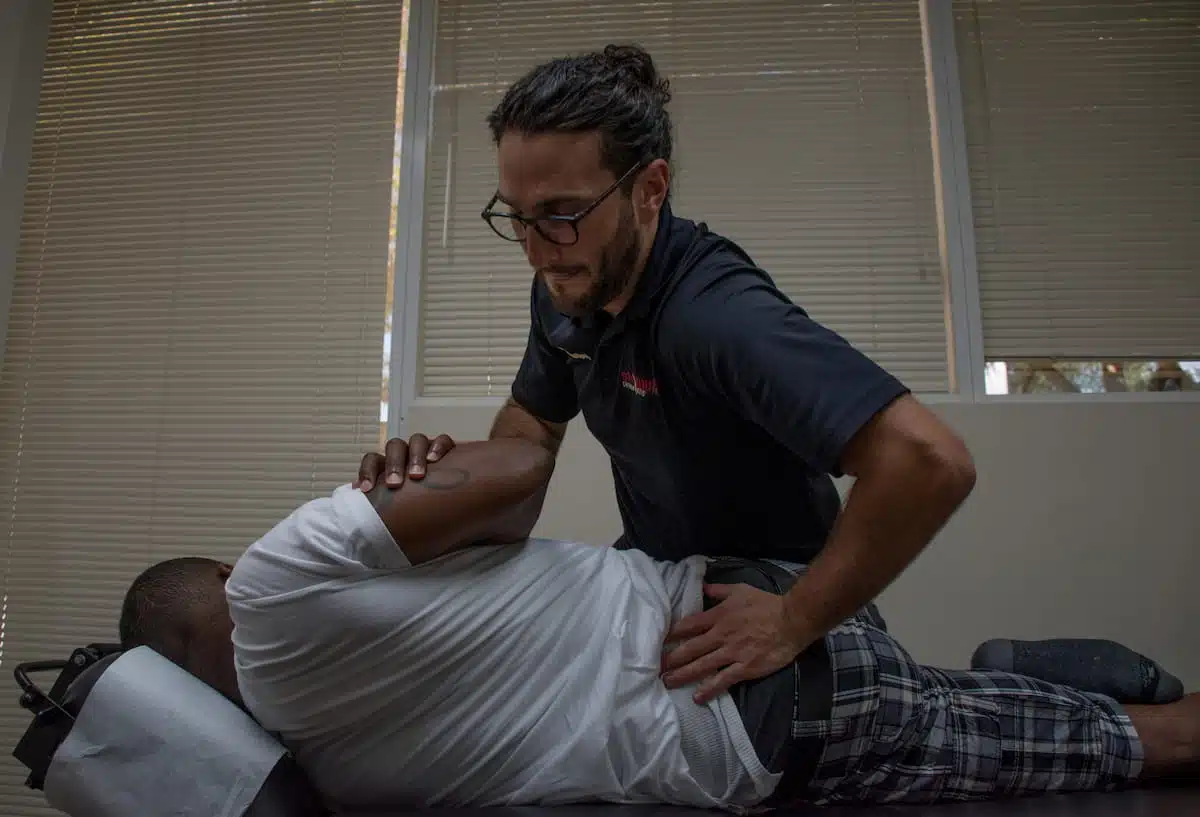
Self-care habits can make managing daily life with mild to moderate back pain easier. When you’re ready to go further, seeking professional options like physical therapy, acupuncture, and chiropractic care can help you address root issues and improve long-term comfort.
Specifically, chiropractic care is a drug‑free, noninvasive treatment often used to relieve back pain effectively. Integrating this approach into your plan can help restore proper alignment and support spinal health in several ways:
If you’re dealing with back pain, watch for these symptoms:
When these symptoms persist, it’s important to seek professional care. At Stumpff Chiropractic, Dr. Eric Stumpff offers safe, personalized back pain treatment in Plantation, drawing on his multi‑disciplinary approach to help patients experience lasting relief close to home.
Back pain management isn’t just about relying on pain relievers or waiting for it to pass. Instead, you can take a proactive role in your recovery by following these self-care tips for managing mild to moderate back pain—small steps that build toward better posture and mobility each day.
If your discomfort lingers or keeps returning, don’t wait. Dr. Stumpff provides personalized treatments and guidance to empower you to feel confident in your health again.
Ready to feel better? Start your journey with us—schedule a consultation today!